
SNAP and the Childhood Hunger Crisis
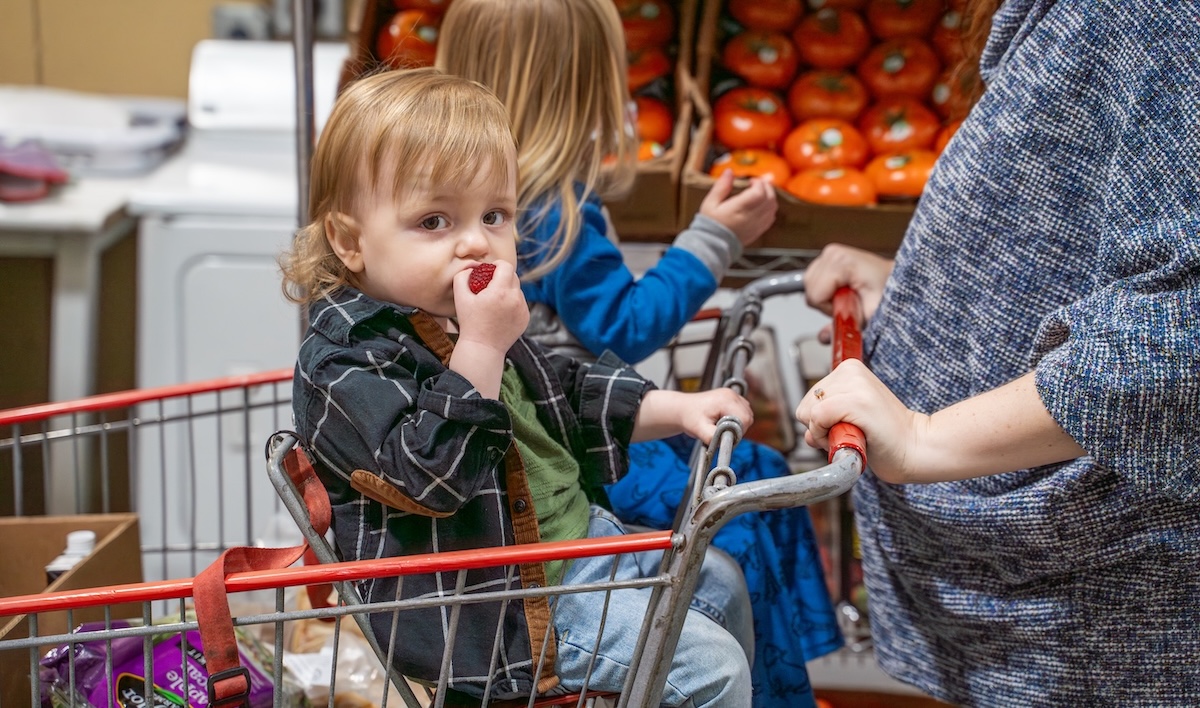
A hardworking mom stands in the grocery store line, doing the same mental math she does every month.
She knows what is in her cart. She knows what is on her card. And she knows the two do not always meet in the middle. Her family receives SNAP benefits, the supplemental nutrition assistance that helps 42 million Americans keep food on the table. For her household, benefits work out to be about $6 a day.
Six dollars. For a family. For a day.
In the end, she excuses herself from the checkout line. I forgot something, she tells the shopper behind her, hoping no one will realize: she isn’t returning to the aisles to grab items, but to put them back.
This time, her budget was stretched too thin.
Every month, it gets a little tighter. She’s heard the news. And she’s worried it’s about to get much harder.
Nearly 1 in every 8 people in the United States receive monthly SNAP benefits. Of the 42 million American recipients, sixteen million are children. Another eight million are seniors. Four million are non-elderly adults living with disabilities. These are families with working parents. Veterans. People whose wages simply haven’t kept pace with grocery prices, which have risen 3.2% in the last year alone, or the cost of living, which has climbed 26% over the past six years.
For a family of four, making over $2,000 in net monthly income would place them above poverty, and not eligible for supplemental food assistance. Families and individuals that do qualify have cleared significant eligibility hurdles. But qualifying for the program doesn’t mean the struggle is over.
Even with SNAP benefits, most families aren’t getting enough to get ahead of hunger. The average SNAP benefit per household in 2026 is estimated at $188 per month, or $6.27 per day, according to the Center of Budget and Policy Priorities. Families are already stretching every dollar to its limit, with nothing left to spare. Now, imagine grocery prices continuing to rise while those benefits shrink and, in some cases, disappear entirely.
That is exactly what is happening. The largest cut to SNAP in the program’s history is now underway. According to the Congressional Budget Office, approximately 4 million people, including children, will see the food assistance they need to afford groceries terminated or cut substantially.
Not only are benefits shifting, but so is the source of funding. Previously, the federal government fully funded SNAP food benefit costs, but now, most states will be required to pay a share. This could prompt some states to cut access or even end SNAP entirely due to budget allocations. The children living in the hungriest states, like South Carolina and Wyoming, will face even more hunger.
This is an emergency!
For the first time in the history of SNAP, the lowest-income families with children in every state may no longer have access to the food assistance they need.
These drastic changes present an even bigger crisis for hungry children beyond the dinner table. More than twenty-seven million children currently receive free school meals, automatically, because their families qualify for SNAP. Losing those benefits would mean those meals would disappear too.
For a school-aged child, whose family depends on the program, these policy changes put them at risk of hunger. Right now, they are guaranteed breakfast and lunch when school is in session. Dinner comes from SNAP benefits. Under the new cuts, their family loses SNAP, and free school meals disappear too. This child hasn’t just lost one meal. They have lost all of them. Suddenly, parents who were already strained financially now must cover every meal, every day.
This is a frightening reality, and it’s not unique to the United States.
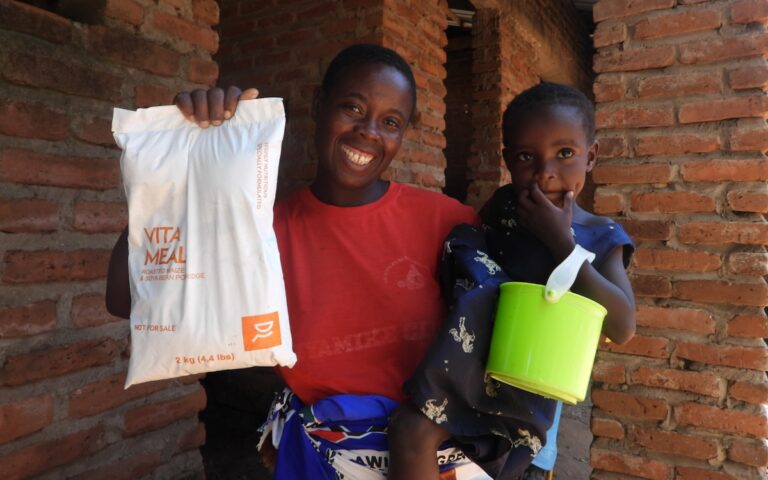
When you join our global movement, your generosity reaches far beyond any single grocery aisle. Every dollar you give multiplies eight times, providing food, essentials, and opportunities to children who need them most.
When food is scarce, families search for lifelines like Feed the Children. Your support fills the gap between economic uncertainty and what a child needs to survive and thrive.
The need is urgent. The cuts are happening. And you are the reason kids everywhere don’t have to go to bed hungry.


 English
  Español