How You Help Create Self-Sustaining Communities
If your child came down with a cold or stomach bug, you wouldn’t panic. You’d open up your medicine cabinet; find the appropriate treatment. You might turn to the Internet to look for other remedies, or head to the store for ginger ale, juice, or chicken soup. You might even consider a trip to the doctor, depending on the age and overall health of the child.
Now, imagine if none of these things were an option.
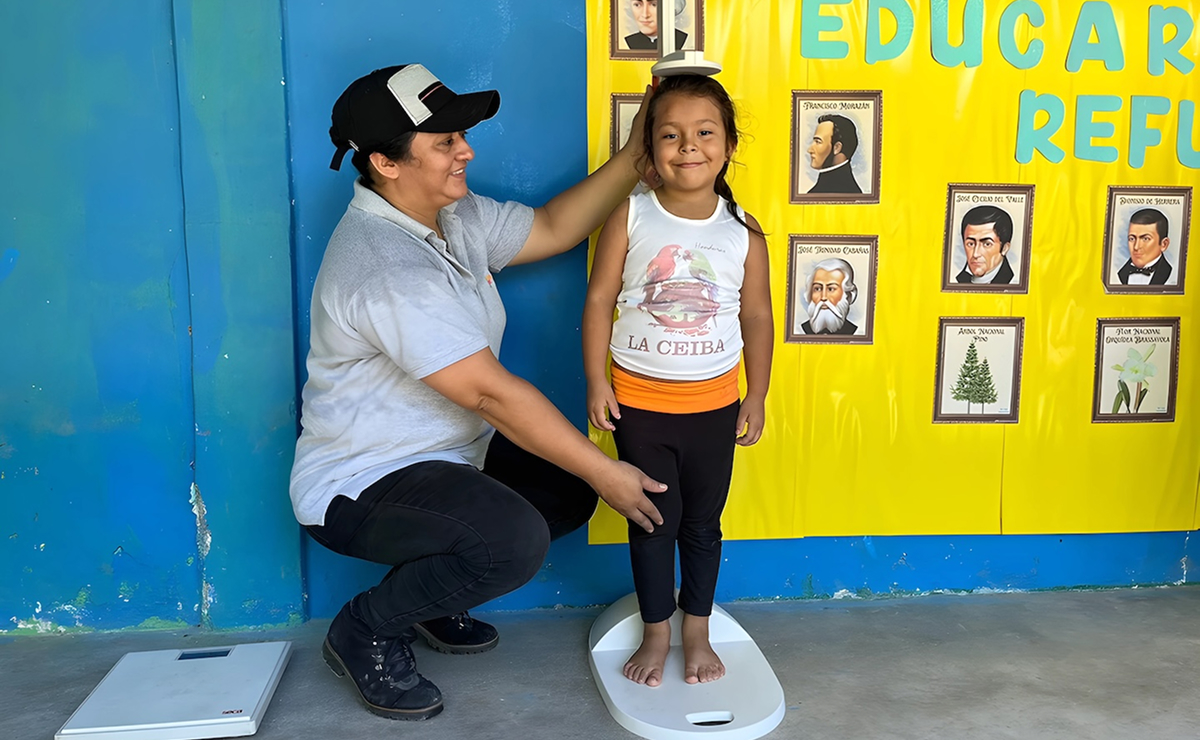
Not long ago, mom-of-two Yensy, along with the other parents in her community, were facing this challenge.
Yensy lives in an isolated, rural area of Honduras. Accessing her village requires traveling long distances on winding dirt roads. These roads can be a hassle on a good day, and all but impossible to traverse during Honduras’ long rainy season.
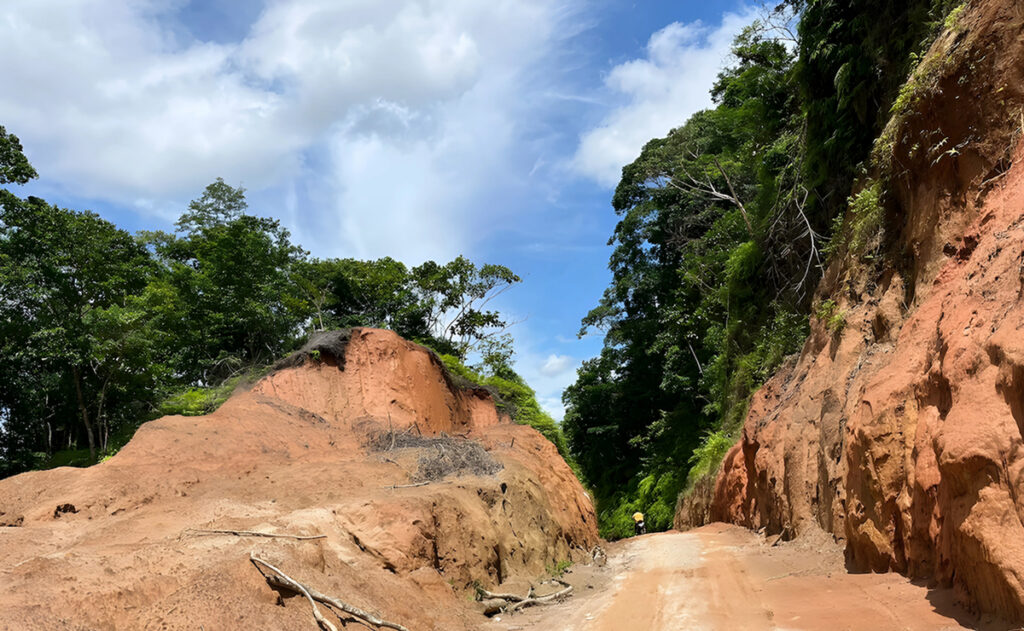
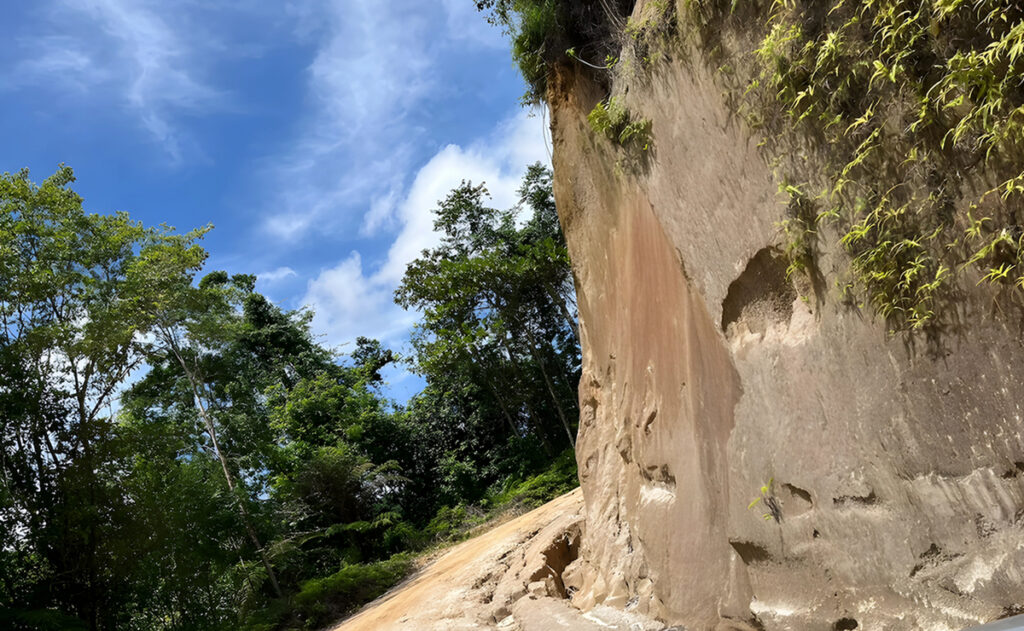
Subtext: Sections of the road leading to Yensy’s village.
Because of how isolated they are, the people of Yensy’s village rely largely on each other for their needs. There are some advantages: it’s a close-knit community, where neighbors readily pitch in to help. However, there are also drawbacks. Resources are limited. Education and health practices are often based on outdated information and standards.
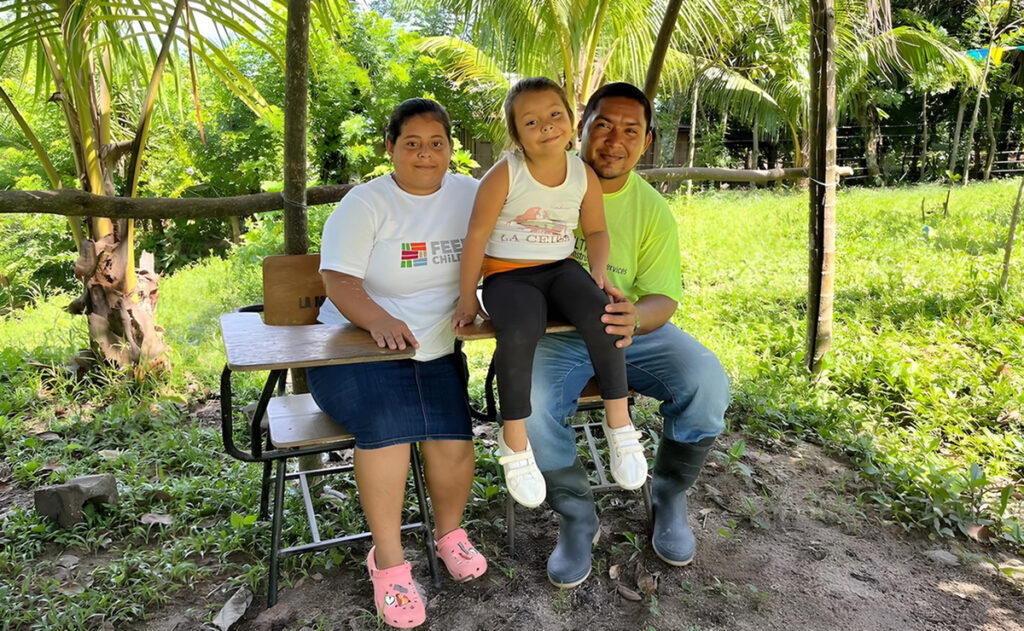
This led to frustration for community leaders like Yensy. She could identify problems – but not fix them.
“Due to the fact that we’re so far from civilization, it has been difficult for us to acquire information, which may be basic for many but not for us,” Yensy admits. “Almost no one comes to our community. Access is terrible.”
Situations like Yensy’s show the importance of programs that strengthen a community from within. When Feed the Children began partnering with Yensy’s village, the goal was to empower community leaders through practical tools and knowledge.
One of the first programs to be implemented was Care Groups. These programs train parents in nutrition, hygiene, and more. Community gardens were planted, with training to ensure they will thrive. There are no formal banking institutions in Yensy’s community; instead, with Feed the Children’s support, a Village Savings and Loan Association (VSLA) was created to allow residents to effectively save.
Since these programs have been established, Yensy has noticed improvements in her community. Children are healthier. Families are happier. Yensy herself feels more confident in the future she’s helping secure not just for her daughters, but all the children in the community:
“It’s a very positive practice. My family and I are happy to be part of Feed the Children,” she expresses.
Today, Yensy no longer feels alone facing the challenges of raising healthy children in an isolated community. With the right knowledge, the right tools, and the right support, she and her neighbors are building a safer, healthier future for every child in their village.
Your generosity makes this possible. When you give, you help equip parents with skills that last a lifetime—and you open the door to hope where it once felt out of reach. Together, we can ensure more families like Yensy’s have the strength and resources they need to thrive!


 English
  Español